

Is zirconia ceramic sand suitable for sand casting?
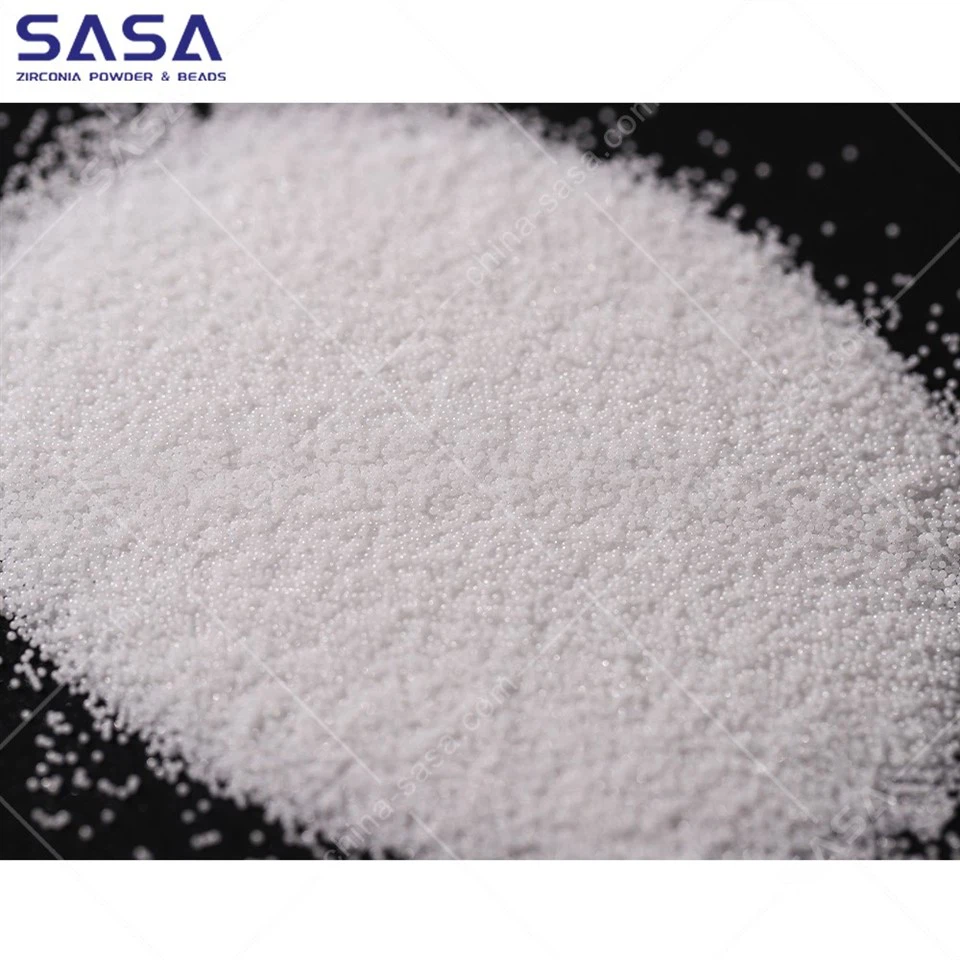

As a supplier of Zirconia Ceramic Sand, I often get asked whether zirconia ceramic sand is suitable for sand casting. In this blog post, I'll explore the properties of zirconia ceramic sand and analyze its suitability for sand casting.
Properties of Zirconia Ceramic Sand
Zirconia ceramic sand is a high - performance foundry sand made from zirconium oxide. It has several remarkable properties that make it stand out in the field of foundry materials.
High Refractoriness: Zirconia ceramic sand has a very high melting point, typically around 2700°C. This high refractoriness allows it to withstand the extreme temperatures involved in sand casting, especially when casting metals with high melting points such as steel. For example, when casting stainless steel, which has a melting point in the range of 1375 - 1530°C, zirconia ceramic sand can maintain its structural integrity without melting or deforming, ensuring a high - quality casting.
Low Thermal Expansion: Another key property of zirconia ceramic sand is its low thermal expansion coefficient. During the casting process, as the molten metal cools and solidifies, the sand mold is subjected to significant temperature changes. A low thermal expansion coefficient means that the sand mold will not expand or contract significantly, reducing the risk of casting defects such as cracks and dimensional inaccuracies. This is particularly important for precision casting applications where tight tolerances are required.
Good Chemical Stability: Zirconia ceramic sand is chemically stable and does not react easily with molten metals. This chemical inertness prevents the formation of unwanted chemical compounds at the interface between the sand mold and the molten metal, which can improve the surface finish of the casting. For instance, in aluminum casting, the chemical stability of zirconia ceramic sand helps to prevent the formation of aluminum - oxide inclusions on the casting surface, resulting in a smoother and more defect - free finish.
High Sphericity: The particles of zirconia ceramic sand are highly spherical. This high sphericity provides good flowability, which is essential for filling complex mold cavities uniformly. When the sand is used to make a mold, it can easily flow into all corners and crevices of the pattern, ensuring a complete and accurate replication of the pattern in the mold. Moreover, the spherical shape also reduces the amount of binder required, which can lower the cost of the casting process and improve the environmental friendliness of the production.
Advantages of Using Zirconia Ceramic Sand in Sand Casting
Improved Casting Quality: Due to its high refractoriness, low thermal expansion, and chemical stability, zirconia ceramic sand can significantly improve the quality of sand - cast parts. The reduced risk of cracks, dimensional inaccuracies, and surface defects means that the castings are more likely to meet the strict quality requirements of various industries, such as aerospace, automotive, and medical device manufacturing.
Increased Productivity: The good flowability of zirconia ceramic sand allows for faster mold - making processes. Since the sand can fill the mold cavities quickly and uniformly, the time required for mold preparation is reduced. Additionally, the high - quality castings produced with zirconia ceramic sand often require less post - processing, such as grinding and polishing, which further increases the overall productivity of the casting operation.
Cost - effectiveness in the Long Run: Although the initial cost of zirconia ceramic sand may be higher than some traditional foundry sands, its superior properties can lead to cost savings in the long run. The reduced scrap rate due to fewer casting defects means less waste of materials and energy. Also, the longer service life of molds made with zirconia ceramic sand can reduce the frequency of mold replacement, resulting in lower production costs over time.
Potential Challenges and Solutions
Cost: As mentioned earlier, the upfront cost of zirconia ceramic sand is relatively high. However, for high - value and high - precision casting applications, the benefits in terms of improved quality and productivity can outweigh the initial cost. Additionally, suppliers can work with customers to optimize the sand usage and develop cost - effective solutions. For example, by using a hybrid approach where zirconia ceramic sand is used only in critical areas of the mold while a more economical sand is used in non - critical areas, the overall cost can be reduced.
Availability: In some regions, the availability of zirconia ceramic sand may be limited. As a supplier, we are constantly working to expand our distribution network to ensure that our customers can access our products more easily. We also offer just - in - time delivery services to minimize inventory costs for our customers.
Related Products
If you are interested in other zirconium - based products, we also offer 64 Zirconium Silicate Powder, which has various applications in the ceramics and refractory industries. Our Cerium Stabilized Zirconia Beads are widely used for grinding and dispersion processes, and Zirconia Sandblasting Beads are excellent for surface treatment applications.
Conclusion
In conclusion, zirconia ceramic sand is highly suitable for sand casting, especially for applications that require high - quality, precision castings. Its unique properties such as high refractoriness, low thermal expansion, chemical stability, and high sphericity offer significant advantages in terms of casting quality, productivity, and long - term cost - effectiveness. Although there are some challenges such as cost and availability, these can be addressed through careful planning and collaboration between suppliers and customers.
If you are interested in learning more about our Zirconia Ceramic Sand or discussing your specific casting needs, please feel free to reach out to us. We are always ready to provide you with professional advice and high - quality products.
References
- Campbell, J. (2008). Castings. Butterworth - Heinemann.
-ASM Handbook Committee. (2001). ASM Handbook, Volume 15: Casting. ASM International.