

Hey there! As a supplier of Zirconia Beads For Sand Mill, I often get asked about the surface energy of these beads. So, let's dive right into it and figure out what this surface energy is all about.
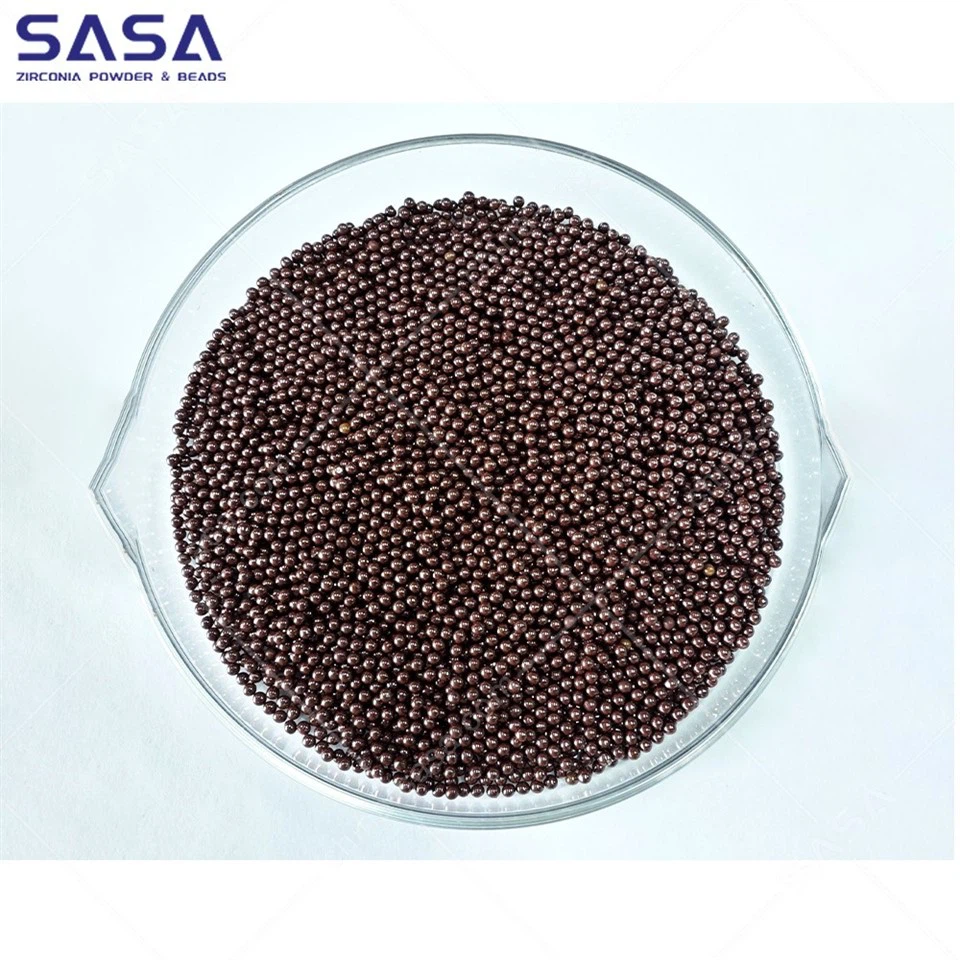
First off, zirconia beads are super popular in the sand - mill industry. They're known for their high hardness, good wear resistance, and excellent chemical stability. But the surface energy of zirconia beads plays a crucial role in how they perform in a sand - mill.
Surface energy is basically the excess energy at the surface of a material compared to its bulk. In simple terms, it's the energy that the surface atoms have because they're not surrounded by other atoms like the ones in the bulk of the material. For zirconia beads, this surface energy affects how they interact with the materials they're grinding.
When zirconia beads are used in a sand - mill, they come into contact with all sorts of substances. The surface energy determines how well the beads can disperse the particles in the material being ground. If the surface energy is too high, the beads might clump together with the particles, which isn't good for the grinding process. On the other hand, if the surface energy is too low, the beads might not be able to effectively break down the particles.
Let's talk about the factors that influence the surface energy of zirconia beads. One of the main factors is the manufacturing process. The way the beads are made can have a big impact on their surface properties. For example, the temperature and pressure during sintering can change the crystal structure of the zirconia, which in turn affects the surface energy.
Another factor is the presence of impurities. Even small amounts of impurities can alter the surface energy of the beads. Some impurities might increase the surface energy, while others could decrease it. As a supplier, we make sure to control the purity of our zirconia beads to ensure consistent surface energy.
The size of the zirconia beads also matters. Generally, smaller beads have a higher surface - to - volume ratio. This means that a greater proportion of the zirconia atoms are on the surface, which can lead to higher surface energy. So, if you're using smaller zirconia beads in your sand - mill, you might need to consider their higher surface energy and how it will affect the grinding process.
Now, let's touch on how the surface energy of zirconia beads relates to other zirconia products we offer. We also supply Nano Zirconia Powder. Nano - sized zirconia has an extremely high surface - to - volume ratio, which results in very high surface energy. This high surface energy makes nano zirconia powder useful in applications where strong surface interactions are needed, like in some advanced ceramics and catalysts.
Our 64 Zirconium Silicate Powder also has its own unique surface properties. Zirconium silicate can be used in combination with zirconia beads in some sand - mill applications. The surface energy of the zirconium silicate powder can interact with that of the zirconia beads, and this interaction can affect the overall grinding efficiency.
And then there are our Cerium Stabilized Zirconia Beads. The addition of cerium to the zirconia changes the crystal structure and, as a result, the surface energy. Cerium - stabilized zirconia beads often have improved mechanical properties and a different surface energy profile compared to regular zirconia beads. This can make them more suitable for certain types of grinding jobs.
In a sand - mill, the surface energy of zirconia beads affects the grinding efficiency in several ways. A well - balanced surface energy allows the beads to move freely through the material being ground, breaking down the particles evenly. It also helps in preventing the formation of agglomerates, which can clog the sand - mill and reduce its performance.
When choosing zirconia beads for your sand - mill, it's important to consider the surface energy based on your specific application. If you're grinding a material with large particles, you might need beads with a certain level of surface energy to break them down effectively. For fine - grinding applications, the requirements for surface energy could be different.
As a supplier, we have a team of experts who can help you select the right zirconia beads with the appropriate surface energy for your sand - mill. We understand that every customer's needs are unique, and we're committed to providing the best products and advice.
If you're in the market for zirconia beads for your sand - mill, don't hesitate to reach out. We can discuss your requirements in detail and help you find the perfect solution. Whether you need beads with a specific surface energy or want to learn more about how surface energy affects the grinding process, we're here to assist.
In conclusion, the surface energy of zirconia beads for sand - mill is a complex but important aspect. It influences how the beads interact with the materials being ground, and it can have a significant impact on the overall performance of the sand - mill. By understanding the factors that affect surface energy and choosing the right beads, you can optimize your grinding process and get the best results.
So, if you're interested in purchasing zirconia beads or have any questions about surface energy and its role in sand - milling, feel free to contact us. We're looking forward to working with you to meet your grinding needs.

References
- Some basic materials science textbooks on ceramics and grinding technology.
- Industry reports on the use of zirconia beads in sand - mills.