

Hey there! As a supplier of Zirconia Precise Balls, I often get asked if these little wonders can be used in semiconductor manufacturing. Well, let's dive right into it and find out.
First off, what are Zirconia Precise Balls? Zirconia, also known as zirconium dioxide (ZrO₂), is a ceramic material that has some pretty amazing properties. It's super hard, wear - resistant, and has excellent chemical stability. Zirconia Precise Balls are made with high precision, ensuring consistent size and shape. These balls come in various sizes and grades, depending on the specific requirements of different applications.
Now, let's talk about semiconductor manufacturing. Semiconductor manufacturing is a highly complex and precise process. It involves creating tiny electronic components on semiconductor wafers, like integrated circuits, transistors, and diodes. The process requires extreme precision, cleanliness, and the use of materials that won't contaminate or damage the delicate semiconductor structures.
So, can Zirconia Precise Balls fit into this high - tech world? The answer is a resounding yes, and here's why.
1. Wear Resistance
In semiconductor manufacturing, there are many mechanical parts that are in constant motion. For example, in the process of wafer handling and positioning, there are robotic arms, conveyors, and various moving fixtures. These parts need to move smoothly and accurately for a long time without wearing out. Zirconia Precise Balls are extremely wear - resistant. Their hardness is comparable to that of some metals, but they don't corrode easily. This means that when used in bearings or other moving components, they can last a long time, reducing the need for frequent replacements and minimizing downtime in the manufacturing process.
2. Chemical Inertness
Semiconductor manufacturing involves the use of many chemicals, such as acids, bases, and solvents, for processes like etching, cleaning, and doping. Zirconia is chemically inert, which means it won't react with these chemicals. When Zirconia Precise Balls are used in equipment that comes into contact with these chemicals, they won't contaminate the process by releasing any unwanted substances. This is crucial for maintaining the purity of the semiconductor wafers and ensuring the quality of the final products.
3. Precision
As I mentioned earlier, semiconductor manufacturing requires extreme precision. Zirconia Precise Balls are manufactured to very tight tolerances in terms of size, roundness, and surface finish. This precision is essential when they are used in applications like ball screws, which are used to convert rotary motion into linear motion with high accuracy. In a semiconductor manufacturing environment, even the slightest deviation in movement can lead to defects in the semiconductor components.
4. Low Friction
Friction can be a big problem in semiconductor manufacturing. It can generate heat, which can damage the semiconductor wafers, and it can also cause wear and tear on the equipment. Zirconia Precise Balls have a low coefficient of friction. When used in bearings or other moving parts, they can reduce friction, allowing for smoother operation and less energy consumption.
Let's take a look at some specific applications of Zirconia Precise Balls in semiconductor manufacturing.
1. Bearings
Bearings are used in almost every mechanical device that has rotating parts. In semiconductor manufacturing equipment, bearings are used in motors, spindles, and robotic arms. Zirconia Precise Balls can be used as the rolling elements in these bearings. Their wear resistance and low friction properties ensure smooth and accurate rotation, which is essential for the precise movement of the equipment.
2. Ball Screws
Ball screws are used to convert rotary motion into linear motion with high precision. In semiconductor manufacturing, they are used in wafer stages, which are used to position the semiconductor wafers during the manufacturing process. Zirconia Precise Balls can provide the necessary precision and durability for these ball screws, ensuring accurate positioning of the wafers.
3. Grinding and Polishing
In the process of semiconductor wafer manufacturing, the wafers need to be ground and polished to achieve a smooth and flat surface. Zirconia beads, which are similar to Zirconia Precise Balls but may have different sizes and shapes, can be used in this process. For example, Cerium Stabilized Zirconia Beads are often used for grinding and polishing semiconductor wafers. They can provide a high - quality finish without introducing any contaminants.
4. Sealing
In semiconductor manufacturing equipment, there is a need for effective sealing to prevent the leakage of chemicals and gases. Zirconia Precise Balls can be used in sealing applications. Their round shape and smooth surface can provide a tight seal, ensuring the integrity of the manufacturing process.
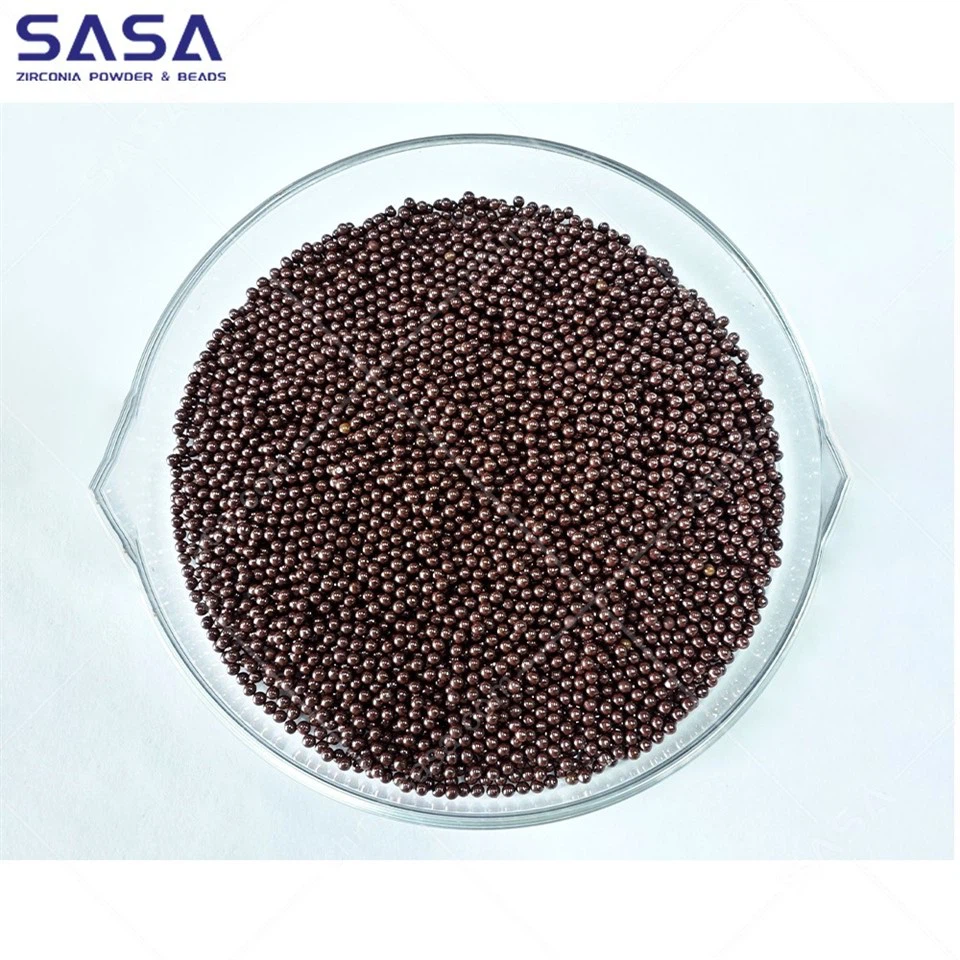

Of course, there are also some challenges when using Zirconia Precise Balls in semiconductor manufacturing. One of the main challenges is the cost. Zirconia is a relatively expensive material compared to some other ceramics or metals. However, considering their long - term benefits in terms of wear resistance, chemical inertness, and precision, the cost can be justified in the long run.
Another challenge is the need for strict quality control. Since semiconductor manufacturing is so sensitive to any impurities or defects, the Zirconia Precise Balls need to be manufactured and tested to the highest standards. Any small defect in the balls can lead to problems in the semiconductor manufacturing process.
Now, if you're in the semiconductor manufacturing industry and are looking for high - quality Zirconia Precise Balls, we've got you covered. We offer a wide range of Zirconia Precise Balls in different sizes and grades to meet your specific needs. We also provide 80 Zirconia Beads and 55 Zirconium Silicate Powder, which can also be useful in your manufacturing processes.
If you're interested in learning more about our products or have any questions regarding the use of Zirconia Precise Balls in semiconductor manufacturing, don't hesitate to reach out. We're always happy to have a chat and discuss how our products can fit into your manufacturing setup. Whether you need technical advice or want to start a procurement discussion, we're here for you.
References
- "Handbook of Semiconductor Manufacturing Technology" by Y. Tsaur and R. C. Jaeger
- "Ceramics: Structure, Properties, Processing, and Applications" by J. Reed