

In the realm of industrial applications, zirconia sandblasting beads have emerged as a remarkable abrasive material, offering exceptional hardness, wear resistance, and chemical stability. As a leading supplier of zirconia sandblasting beads, I am often asked about the heat transfer coefficient of these beads. In this blog post, I will delve into the concept of the heat transfer coefficient, explore its significance in the context of zirconia sandblasting beads, and provide insights into the factors that influence this crucial property.
Understanding the Heat Transfer Coefficient
The heat transfer coefficient, denoted as h, is a measure of the ability of a material to transfer heat between two mediums. It quantifies the rate of heat transfer per unit area and per unit temperature difference between the surface of the material and the surrounding fluid or medium. The heat transfer coefficient is typically expressed in units of watts per square meter per kelvin (W/(m²·K)).
In the context of zirconia sandblasting beads, the heat transfer coefficient plays a vital role in determining the efficiency of the sandblasting process. During sandblasting, the beads impact the surface of the workpiece at high velocities, generating frictional heat. This heat needs to be dissipated effectively to prevent overheating of the beads and the workpiece, which can lead to thermal damage, reduced abrasive performance, and premature wear of the equipment.
Factors Affecting the Heat Transfer Coefficient of Zirconia Sandblasting Beads
Several factors influence the heat transfer coefficient of zirconia sandblasting beads. Understanding these factors is essential for optimizing the sandblasting process and achieving the desired results.
Material Properties
The material properties of zirconia sandblasting beads, such as thermal conductivity, density, and specific heat capacity, have a significant impact on their heat transfer coefficient. Zirconia is a ceramic material with relatively low thermal conductivity compared to metals. This means that zirconia beads have a lower ability to conduct heat away from the point of contact during sandblasting. However, zirconia's high density and specific heat capacity allow it to absorb and store a significant amount of heat energy, which can help to mitigate the effects of overheating.
Bead Size and Shape
The size and shape of the zirconia sandblasting beads also affect their heat transfer coefficient. Smaller beads have a larger surface area-to-volume ratio, which increases the contact area between the beads and the workpiece and enhances the heat transfer rate. Additionally, beads with irregular shapes or surface textures can promote better heat transfer by increasing the turbulence of the airflow around the beads during sandblasting.
Sandblasting Parameters
The sandblasting parameters, such as the blasting pressure, nozzle distance, and blasting angle, can also influence the heat transfer coefficient of zirconia sandblasting beads. Higher blasting pressures result in higher impact velocities of the beads, which generate more frictional heat. However, increasing the blasting pressure also increases the airflow rate, which can enhance the heat transfer by promoting better cooling of the beads and the workpiece. Similarly, adjusting the nozzle distance and blasting angle can optimize the distribution of the beads on the workpiece surface and improve the heat transfer efficiency.
Surrounding Environment
The surrounding environment, including the temperature, humidity, and airflow conditions, can also affect the heat transfer coefficient of zirconia sandblasting beads. Higher ambient temperatures can reduce the temperature difference between the beads and the surrounding air, which decreases the driving force for heat transfer. Additionally, high humidity levels can affect the thermal properties of the beads and the workpiece, potentially reducing the heat transfer efficiency. Adequate ventilation and cooling systems can help to maintain optimal environmental conditions and improve the heat transfer performance of the sandblasting process.
Measuring the Heat Transfer Coefficient of Zirconia Sandblasting Beads
Measuring the heat transfer coefficient of zirconia sandblasting beads can be challenging due to the complex nature of the sandblasting process and the dynamic interactions between the beads, the workpiece, and the surrounding environment. However, several experimental techniques can be used to estimate the heat transfer coefficient, including:
Transient Hot-Wire Method
The transient hot-wire method is a widely used technique for measuring the thermal conductivity of materials. In this method, a thin wire is embedded in the material, and a constant electrical current is passed through the wire, causing it to heat up. The temperature rise of the wire is measured as a function of time, and the thermal conductivity of the material is calculated based on the rate of heat transfer from the wire to the surrounding material.
Infrared Thermography
Infrared thermography is a non-contact technique that uses infrared cameras to measure the surface temperature of the workpiece during sandblasting. By analyzing the temperature distribution on the workpiece surface, it is possible to estimate the heat transfer coefficient of the zirconia sandblasting beads. Infrared thermography can provide valuable insights into the heat transfer mechanisms and the effectiveness of the cooling strategies during the sandblasting process.
Computational Fluid Dynamics (CFD) Modeling
Computational fluid dynamics (CFD) modeling is a numerical simulation technique that can be used to predict the heat transfer behavior of zirconia sandblasting beads. CFD models can simulate the complex fluid flow and heat transfer phenomena during sandblasting, taking into account the material properties of the beads, the sandblasting parameters, and the surrounding environment. By validating the CFD models with experimental data, it is possible to obtain accurate estimates of the heat transfer coefficient and optimize the sandblasting process.
Importance of the Heat Transfer Coefficient in Zirconia Sandblasting Applications
The heat transfer coefficient of zirconia sandblasting beads is a critical parameter that affects the performance and efficiency of the sandblasting process. By understanding and optimizing the heat transfer coefficient, it is possible to achieve several benefits, including:
Improved Abrasive Performance
Effective heat transfer helps to prevent overheating of the zirconia sandblasting beads, which can maintain their hardness and wear resistance. This ensures consistent abrasive performance and longer service life of the beads, resulting in higher productivity and lower operating costs.
Enhanced Surface Quality
Proper heat dissipation during sandblasting can prevent thermal damage to the workpiece surface, such as warping, cracking, or discoloration. This leads to improved surface quality and finish, which is essential for many industrial applications, including automotive, aerospace, and electronics manufacturing.
Extended Equipment Life
By reducing the heat generated during sandblasting, the heat transfer coefficient can help to minimize the wear and tear on the sandblasting equipment, such as the nozzles, hoses, and pumps. This extends the equipment life and reduces the frequency of maintenance and replacement, resulting in significant cost savings.
Our Zirconia Sandblasting Beads Product Range
As a leading supplier of zirconia sandblasting beads, we offer a wide range of high-quality products to meet the diverse needs of our customers. Our zirconia sandblasting beads are available in different sizes, shapes, and compositions, including 95 Zirconia Beads and 80 Zirconia Beads. We also provide Monoclinic Zirconia Powder for customers who require customized solutions.
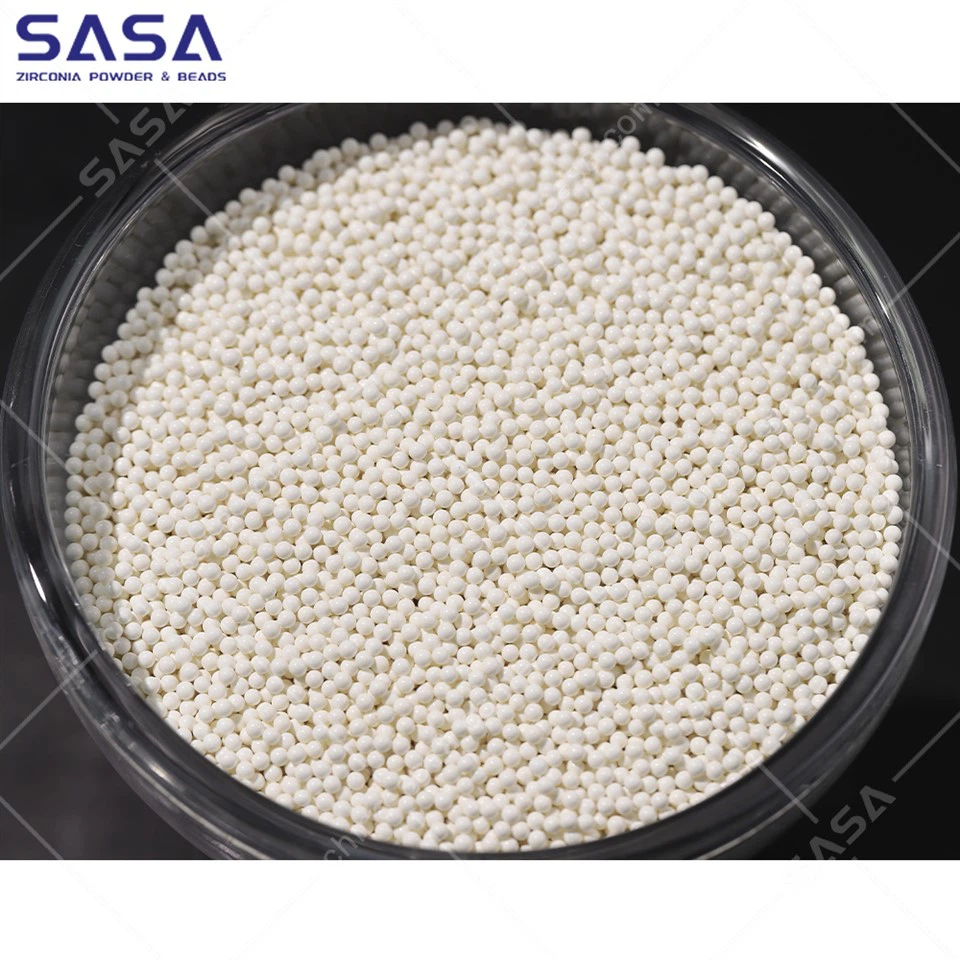

Our zirconia sandblasting beads are manufactured using advanced production techniques and strict quality control measures to ensure consistent performance and high reliability. We are committed to providing our customers with the best products and services, and we are always willing to work with them to find the most suitable solutions for their specific applications.
Contact Us for Procurement and Consultation
If you are interested in purchasing zirconia sandblasting beads or have any questions about the heat transfer coefficient or other technical aspects of our products, please do not hesitate to contact us. Our team of experts is ready to provide you with detailed information, technical support, and customized solutions to meet your needs. We look forward to working with you and helping you achieve your sandblasting goals.
References
- Incropera, F. P., & DeWitt, D. P. (2002). Fundamentals of Heat and Mass Transfer. John Wiley & Sons.
- Holman, J. P. (2002). Heat Transfer. McGraw-Hill.
- Carey, V. P. (2008). Liquid-Vapor Phase-Change Phenomena: An Introduction to the Thermophysics of Vaporization and Condensation Processes in Heat Transfer Equipment. CRC Press.