

Shipping Zirconium Sulfate Powder requires careful consideration of various factors to ensure the safe and efficient delivery of this chemical product. As a supplier of Zirconium Sulfate Powder, I understand the importance of adhering to strict shipping requirements to meet the needs of our customers while complying with international regulations. In this blog post, I will discuss the key shipping requirements for Zirconium Sulfate Powder and provide insights into how we manage the shipping process to ensure a seamless experience for our clients.
Regulatory Compliance
One of the primary considerations when shipping Zirconium Sulfate Powder is regulatory compliance. Zirconium Sulfate Powder is classified as a hazardous substance in many countries due to its potential health and environmental risks. Therefore, it is essential to comply with all relevant regulations and guidelines when transporting this product.
In the United States, the transportation of hazardous materials is regulated by the Department of Transportation (DOT). The DOT has established strict rules and requirements for the packaging, labeling, and documentation of hazardous materials to ensure their safe transportation. Zirconium Sulfate Powder is classified as a corrosive substance under DOT regulations, which means it must be packaged in accordance with specific packaging requirements and labeled with the appropriate hazard warnings.
Similarly, in the European Union, the transportation of hazardous materials is regulated by the ADR (Accord européen relatif au transport international des marchandises dangereuses par route) agreement. The ADR agreement sets out detailed rules and requirements for the packaging, labeling, and documentation of hazardous materials transported by road within the EU. Zirconium Sulfate Powder is subject to the same corrosive substance classification under ADR regulations, and suppliers must ensure that their shipments comply with these requirements.
Packaging Requirements
Proper packaging is crucial for the safe transportation of Zirconium Sulfate Powder. The packaging must be designed to prevent any leakage or spillage of the product during transit and to protect it from damage. Zirconium Sulfate Powder is typically packaged in sealed containers made of materials that are resistant to corrosion and chemical attack.
For small quantities of Zirconium Sulfate Powder, plastic or glass bottles with tight-fitting caps are commonly used. These bottles should be labeled with the appropriate hazard warnings and stored in a sturdy outer packaging, such as a cardboard box, to provide additional protection.
For larger quantities of Zirconium Sulfate Powder, drums or intermediate bulk containers (IBCs) are often used. These containers must be made of materials that are compatible with the product and designed to withstand the rigors of transportation. They should also be equipped with appropriate closures and fittings to prevent any leakage or spillage.
In addition to the primary packaging, secondary packaging may be required to provide additional protection and containment. This can include outer cartons, pallets, or shrink-wrap to secure the containers and prevent them from shifting during transit.
Labeling Requirements
Accurate labeling is essential for the safe transportation of Zirconium Sulfate Powder. The labels must provide clear and concise information about the product, its hazards, and the necessary precautions to be taken during handling and transportation.
The labels should include the following information:
- Product name: Clearly state the name of the product, which is Zirconium Sulfate Powder.
- Hazard warnings: Display the appropriate hazard symbols and warnings to indicate the potential risks associated with the product, such as corrosive, toxic, or irritant.
- Precautionary statements: Provide instructions on how to handle the product safely, including information on personal protective equipment (PPE) and emergency procedures.
- UN number: Include the United Nations (UN) number assigned to Zirconium Sulfate Powder, which is used to identify the product in international transportation.
- Manufacturer or supplier information: Provide the name, address, and contact information of the manufacturer or supplier of the product.
The labels should be durable and legible, and they should be affixed to the packaging in a prominent location where they can be easily seen and read.
Documentation Requirements
Proper documentation is essential for the smooth and legal transportation of Zirconium Sulfate Powder. The documentation must provide detailed information about the product, its quantity, its destination, and the necessary safety precautions to be taken during transit.
The following documents are typically required for the shipment of Zirconium Sulfate Powder:
- Bill of lading: This document serves as a contract between the shipper and the carrier and provides details about the shipment, including the product name, quantity, origin, and destination.
- Safety data sheet (SDS): The SDS provides detailed information about the product's properties, hazards, and safety precautions. It is a crucial document for the safe handling and transportation of the product and must be provided to the carrier and the recipient.
- Shipping label: The shipping label includes the necessary information about the product, its hazards, and the destination address. It must be affixed to the outer packaging of the shipment.
- Customs documentation: Depending on the destination country, additional customs documentation may be required, such as a commercial invoice, packing list, and import/export permits.
It is important to ensure that all documentation is accurate, complete, and up-to-date to avoid any delays or issues during the shipping process.
Transportation Modes
Zirconium Sulfate Powder can be transported by various modes of transportation, including road, rail, sea, and air. The choice of transportation mode depends on several factors, such as the quantity of the product, the destination, the urgency of the shipment, and the availability of transportation options.
- Road transportation: Road transportation is a common mode of transportation for Zirconium Sulfate Powder, especially for domestic shipments or short-distance deliveries. It offers flexibility and convenience, allowing for direct delivery to the customer's location. However, road transportation is subject to traffic conditions and regulatory restrictions, which may affect the delivery time.
- Rail transportation: Rail transportation is a cost-effective and efficient mode of transportation for large quantities of Zirconium Sulfate Powder. It is suitable for long-distance shipments and can handle heavy loads. However, rail transportation may require additional handling and transfer at rail terminals, which can increase the risk of damage or spillage.
- Sea transportation: Sea transportation is the most common mode of transportation for international shipments of Zirconium Sulfate Powder. It offers the advantage of large cargo capacity and relatively low transportation costs. However, sea transportation has longer transit times and is subject to weather conditions and port congestion, which may affect the delivery schedule.
- Air transportation: Air transportation is the fastest mode of transportation for Zirconium Sulfate Powder, but it is also the most expensive. It is suitable for urgent shipments or small quantities of the product. However, air transportation is subject to strict regulations and restrictions, and the availability of flights may be limited.
When choosing a transportation mode, it is important to consider the specific requirements of the shipment and to work with a reliable and experienced logistics provider who can ensure the safe and efficient transportation of the product.
Storage and Handling
Proper storage and handling of Zirconium Sulfate Powder are essential to maintain its quality and safety. The product should be stored in a cool, dry, and well-ventilated area away from sources of heat, moisture, and incompatible materials.
During handling, it is important to wear appropriate personal protective equipment (PPE), such as gloves, goggles, and a respirator, to prevent any contact with the product. The product should be handled with care to avoid any spills or splashes, and any spills should be cleaned up immediately using appropriate cleaning materials.
In addition, it is important to follow all safety procedures and guidelines when storing and handling Zirconium Sulfate Powder to minimize the risk of accidents or injuries.
Our Commitment to Safe Shipping
As a supplier of Zirconium Sulfate Powder, we are committed to ensuring the safe and efficient shipping of our products. We have a team of experienced professionals who are well-versed in the regulations and requirements for the transportation of hazardous materials. We work closely with our logistics partners to ensure that all shipments are properly packaged, labeled, and documented to meet the highest safety standards.
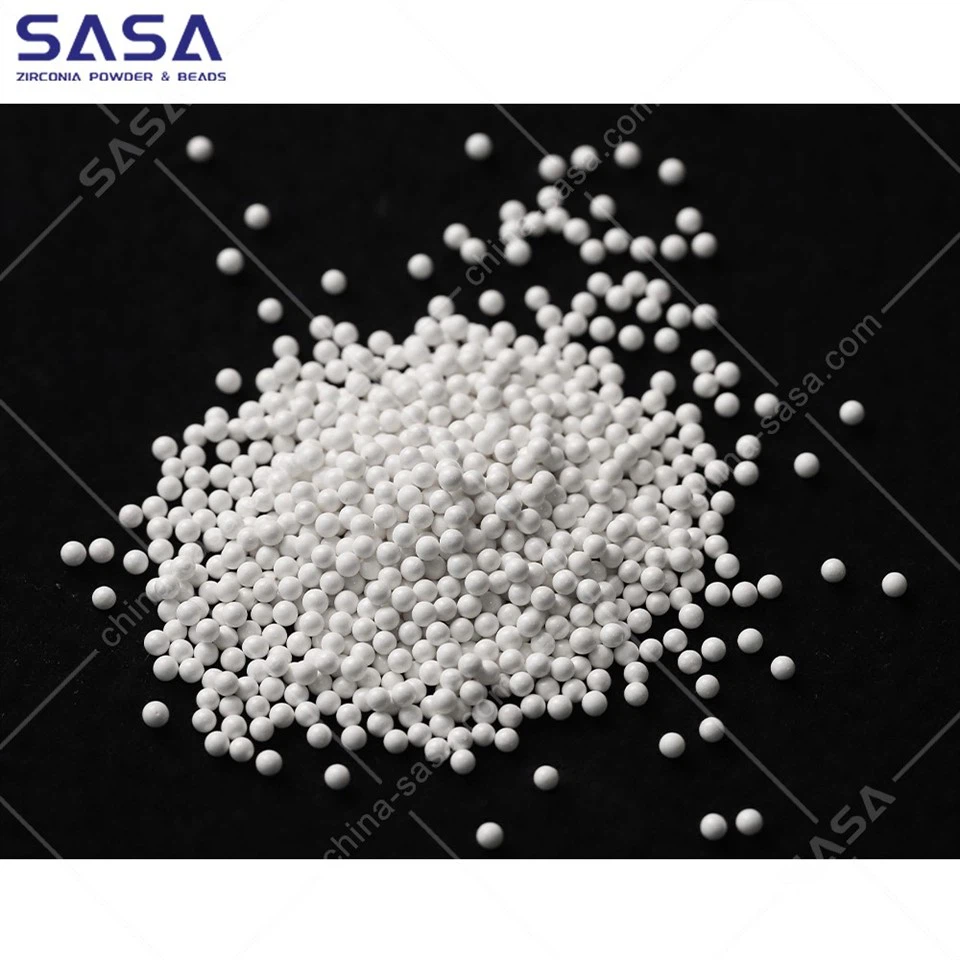
We also offer a range of related products, such as Monoclinic Zirconia Powder, 63 Zirconium Silicate Powder, and Zirconia Grinding Media, which are also subject to strict shipping requirements. Our commitment to safety extends to all our products, and we take every precaution to ensure that they are transported safely and securely.

Contact Us for Purchase and Shipping
If you are interested in purchasing Zirconium Sulfate Powder or any of our other zirconium products, please do not hesitate to contact us. We are here to answer your questions, provide you with detailed information about our products and shipping requirements, and assist you with the purchasing process. We look forward to working with you and ensuring that your shipping experience is a smooth and successful one.
References
- United States Department of Transportation (DOT). Hazardous Materials Regulations (HMR).
- European Agreement concerning the International Carriage of Dangerous Goods by Road (ADR).
- United Nations (UN) Recommendations on the Transport of Dangerous Goods.