

Zirconia powder, also known as zirconium dioxide (ZrO₂), is a versatile and high-performance material that has found widespread applications across various industries. As a leading supplier of zirconia powder, I am excited to share with you the main applications of this remarkable substance.

1. Ceramics Industry
In the ceramics industry, zirconia powder plays a crucial role due to its unique properties. Zirconia ceramics are known for their high strength, hardness, and excellent thermal and chemical stability. These characteristics make them suitable for a wide range of applications, from high - end decorative items to industrial components.
Structural Ceramics
Zirconia powder is used to produce structural ceramics that can withstand high mechanical stress. For example, in the manufacturing of cutting tools, zirconia ceramics offer superior wear resistance compared to traditional materials like tungsten carbide. The high fracture toughness of zirconia allows cutting tools to maintain their sharp edges for longer periods, reducing the frequency of tool replacement and increasing productivity.
Dental Ceramics
One of the most well - known applications of zirconia in the ceramics field is in dental restorations. Zirconia dental crowns, bridges, and implants have gained popularity in recent years. They are biocompatible, which means they are well - tolerated by the human body, and have excellent aesthetic properties, closely resembling natural teeth. Zirconia dental products also have high strength, which is essential for withstanding the forces exerted during chewing.
Electronic Ceramics
Zirconia powder is also used in the production of electronic ceramics. It can be used as a dielectric material in capacitors due to its high dielectric constant. Additionally, zirconia - based solid electrolytes are used in solid oxide fuel cells (SOFCs). These fuel cells operate at high temperatures and require materials with good ionic conductivity. Zirconia doped with elements such as yttrium (yttria - stabilized zirconia, YSZ) has excellent oxygen ion conductivity, making it an ideal material for SOFC electrolytes.
2. Refractory Industry
The refractory industry relies on materials that can withstand high temperatures and harsh chemical environments. Zirconia powder is an excellent choice for refractory applications due to its high melting point (around 2715 °C) and chemical inertness.
Furnace Linings
Zirconia - based refractories are used in the linings of high - temperature furnaces, such as those in the steel, glass, and non - ferrous metal industries. These linings protect the furnace structure from the extreme heat and corrosive gases generated during the melting and processing of metals and glass. Zirconia refractories can significantly extend the service life of furnaces, reducing maintenance costs and downtime.
Foundry Applications
In foundries, zirconia powder is used in the production of molds and cores. The high thermal stability of zirconia ensures that the molds can withstand the high temperatures of molten metals without deforming or reacting with the metal. This results in high - quality castings with precise dimensions and smooth surfaces.
3. Abrasive Industry
Zirconia powder is a popular material in the abrasive industry due to its hardness and toughness.
Grinding Wheels
Zirconia - alumina abrasives are commonly used in the manufacturing of grinding wheels. These wheels are suitable for grinding a wide range of materials, including metals, ceramics, and composites. The combination of zirconia and alumina provides a high - performance abrasive that can remove material quickly and efficiently while maintaining a sharp cutting edge.
Sandblasting
Zirconia Sandblasting Beads are used in sandblasting operations. They are used to clean, deburr, and surface - finish various materials. Zirconia sandblasting beads are more durable than traditional sandblasting media, such as silica sand, and can be reused multiple times, reducing the overall cost of sandblasting operations.
4. Catalyst Support
Zirconia powder can be used as a support material for catalysts. Its high surface area, thermal stability, and acid - base properties make it an attractive option for catalytic applications.
Automotive Catalysts
In automotive catalytic converters, zirconia - based materials are used as supports for precious metal catalysts, such as platinum, palladium, and rhodium. These catalysts help to convert harmful exhaust gases, such as carbon monoxide, nitrogen oxides, and hydrocarbons, into less harmful substances, such as carbon dioxide, nitrogen, and water. The high thermal stability of zirconia ensures that the catalyst remains active even at high exhaust temperatures.
Chemical Catalysis
Zirconia - supported catalysts are also used in various chemical processes, such as hydrocarbon cracking, hydrogenation, and oxidation reactions. The acid - base properties of zirconia can be tailored by doping with different elements, allowing for the design of catalysts with specific catalytic activities.
5. Pigment Industry
Zirconia powder is used as a white pigment in the paint, plastics, and ceramics industries.
White Pigments
Zirconia - based white pigments offer several advantages over traditional white pigments, such as titanium dioxide. They have high refractive index, which provides good hiding power, and are more chemically stable. Zirconia pigments are also less likely to cause discoloration or degradation in the presence of ultraviolet light, making them suitable for outdoor applications.
6. Other Applications
Jewelry
Zirconia is often used as a diamond simulant in jewelry. Cubic zirconia (CZ) is a synthetic material that has a similar appearance to diamonds but is much more affordable. CZ can be cut and polished to a high luster, making it a popular choice for costume jewelry.
Zirconia Beads
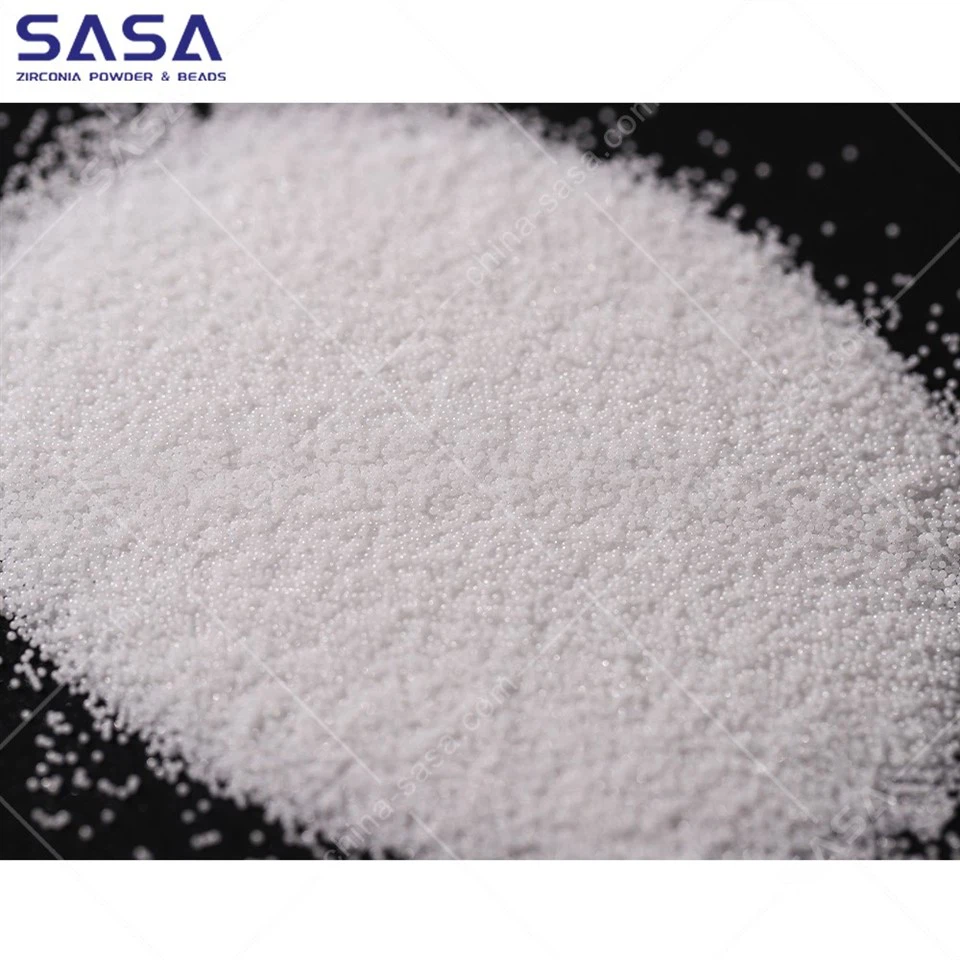
Zirconia Ceramic Beads are used in various industries for grinding and dispersion applications. They are used in the paint, ink, and pharmaceutical industries to grind and disperse pigments, dyes, and other fine particles. The high density and hardness of zirconia beads ensure efficient grinding and dispersion, resulting in high - quality products.
Chemical Compounds
Zirconia powder can be used as a raw material for the production of other zirconium - based compounds. For example, Zirconium Sulfate Powder can be synthesized from zirconia powder. Zirconium sulfate is used in various chemical processes, such as tanning leather and as a mordant in dyeing.
In conclusion, zirconia powder is a truly remarkable material with a wide range of applications across multiple industries. Its unique combination of properties, including high strength, hardness, thermal stability, and chemical inertness, makes it an essential material in modern technology and manufacturing. As a zirconia powder supplier, we are committed to providing high - quality zirconia powder to meet the diverse needs of our customers. If you are interested in purchasing zirconia powder for your specific application, please feel free to contact us for more information and to discuss your procurement requirements.
References
- "Zirconia Ceramics: Science and Technology" by J. R. G. Evans and R. M. Cannon.
- "Handbook of Refractory Materials" edited by V. V. Panasyuk.
- "Catalysis by Zirconia - Based Materials" by M. Anpo and Y. Ichikawa.
- "Pigments and Fillers: Technology, Applications and Markets" by M. Ash and I. Ash.