

As a supplier of nano titanium oxide powder, I've witnessed firsthand the remarkable benefits this innovative material brings to the coatings industry. Nano titanium oxide powder, with its unique properties at the nanoscale, offers a multitude of advantages that enhance the performance, durability, and functionality of coatings. In this blog, I'll delve into the key benefits of using nano titanium oxide powder in coatings and why it's becoming an increasingly popular choice for various applications.
Enhanced UV Resistance
One of the most significant benefits of incorporating nano titanium oxide powder into coatings is its excellent UV resistance. Titanium dioxide is a well - known UV absorber, and at the nanoscale, its UV - blocking capabilities are further enhanced. Nano titanium oxide particles can effectively scatter and absorb UV radiation, preventing it from reaching the underlying substrate. This is crucial for coatings used in outdoor applications, such as architectural paints, automotive coatings, and marine coatings.
When exposed to sunlight, traditional coatings can degrade over time, leading to color fading, chalking, and loss of adhesion. By adding nano titanium oxide powder, coatings can maintain their appearance and integrity for much longer periods. For example, in architectural paints, this means that buildings can retain their vibrant colors and protective properties, reducing the need for frequent repainting. This not only saves costs but also contributes to environmental sustainability by reducing the amount of paint waste.
Self - Cleaning Properties
Nano titanium oxide powder imparts self - cleaning properties to coatings through a process called photocatalysis. When exposed to sunlight, especially ultraviolet light, nano titanium oxide particles generate electron - hole pairs. These pairs can react with water and oxygen in the air to produce highly reactive hydroxyl radicals and superoxide anions. These reactive species have strong oxidizing properties and can break down organic pollutants, such as dirt, grease, and airborne contaminants, that adhere to the coating surface.
In outdoor applications, such as exterior building facades and solar panels, self - cleaning coatings can significantly reduce maintenance efforts. Dirt and grime are continuously broken down and washed away by rain, keeping the surface clean and improving the overall aesthetic and performance. For solar panels, a clean surface ensures maximum light absorption, thereby increasing energy efficiency.

Antibacterial and Antifungal Properties
The photocatalytic activity of nano titanium oxide powder also gives coatings antibacterial and antifungal properties. The reactive oxygen species generated during photocatalysis can damage the cell membranes of bacteria and fungi, leading to their inactivation. This is particularly important in applications where hygiene is a concern, such as hospital coatings, food processing facilities, and public restrooms.
In hospital settings, antibacterial coatings can help reduce the spread of harmful pathogens, contributing to a safer environment for patients and healthcare workers. In food processing facilities, these coatings can prevent the growth of mold and bacteria on surfaces, ensuring food safety. By using coatings with nano titanium oxide powder, we can create healthier and more hygienic spaces.
Improved Scratch Resistance
Nano titanium oxide particles can enhance the mechanical properties of coatings, including scratch resistance. When dispersed evenly in the coating matrix, these nanoparticles can act as reinforcement agents. They fill in the gaps between the polymer chains in the coating, making the coating denser and more resistant to abrasion.
In automotive coatings, scratch resistance is highly desirable. A scratch - resistant coating can keep the car's paintwork looking new for longer, reducing the need for costly touch - up repairs. Similarly, in industrial coatings, improved scratch resistance means that equipment and machinery can maintain their protective coatings, preventing corrosion and extending their service life.
High Refractive Index and Opacity
Nano titanium oxide powder has a high refractive index, which gives coatings excellent opacity and hiding power. This means that a smaller amount of coating is required to achieve full coverage compared to traditional pigments. In the paint industry, this translates to cost savings as less paint is needed to paint a given area.
Moreover, the high opacity is beneficial in applications where hiding the underlying substrate is important, such as in primer coatings. A primer with nano titanium oxide powder can effectively cover stains, discolorations, and surface imperfections, providing a smooth and uniform base for the topcoat.
Compatibility with Different Coating Systems
Another advantage of nano titanium oxide powder is its compatibility with a wide range of coating systems, including water - based, solvent - based, and powder coatings. This versatility allows manufacturers to incorporate it into their existing production processes without significant modifications.
Whether it's an automotive paint manufacturer looking to improve the UV resistance of their solvent - based coatings or a furniture maker wanting to add antibacterial properties to their water - based finishes, nano titanium oxide powder can be easily integrated. This flexibility makes it a practical choice for various industries.
Applications in Specialized Coatings
Nano titanium oxide powder also finds applications in specialized coatings. For example, in Metatitanic Acid For New Energy Batteries, it can be used in battery coatings to improve the performance and safety of the batteries. In high - performance coatings for aerospace applications, its unique properties can enhance the durability and heat resistance of the coatings.
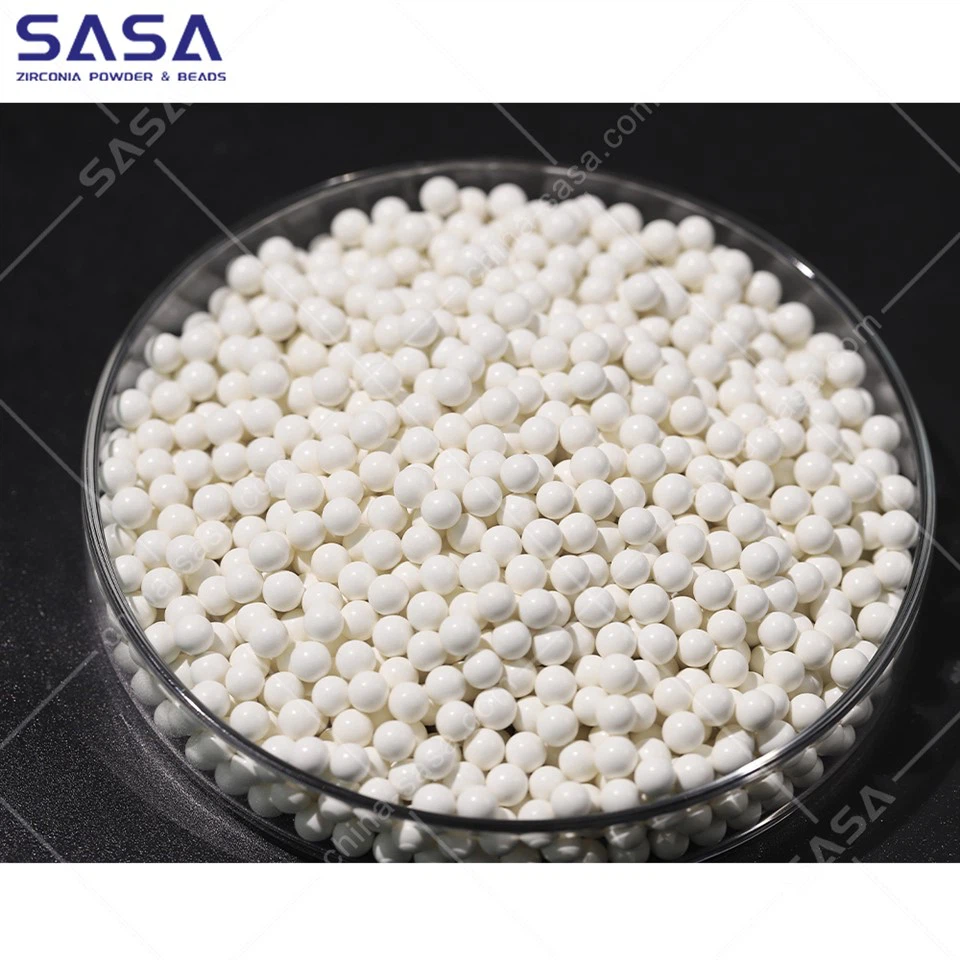
In addition, in the production of coatings, 65 Zirconium Silicate Beads and Silicon Nitride Ceramic Beads are often used in the grinding and dispersion process of nano titanium oxide powder to ensure its uniform distribution in the coating matrix.
Conclusion
The benefits of using nano titanium oxide powder in coatings are numerous and far - reaching. From enhancing UV resistance and self - cleaning properties to improving scratch resistance and antibacterial capabilities, this innovative material offers a competitive edge in the coatings market. Its compatibility with different coating systems and applications in specialized coatings make it a versatile solution for various industries.
If you're in the coatings industry and looking to improve the performance of your products, I encourage you to consider incorporating nano titanium oxide powder into your formulations. Our company is a reliable supplier of high - quality nano titanium oxide powder, and we're committed to providing you with the best products and technical support. Contact us today to start a discussion about how our nano titanium oxide powder can meet your specific coating needs.
References
- "Nanomaterials in Coatings: Fundamentals and Applications" by K. K. Chawla and A. K. Mukhopadhyay
- "Photocatalysis: Fundamentals and Applications" by M. R. Hoffmann, S. T. Martin, W. Choi, and D. W. Bahnemann
- "Titanium Dioxide Nanomaterials: Synthesis, Properties, Modifications, and Applications" by X. Chen and S. S. Mao