

Precision balls are essential components in various industries, from automotive to aerospace, electronics to medical devices. As a supplier of precise balls, I am often asked about the intricate process behind their manufacturing. In this blog post, I will take you through the step-by-step journey of how a precise ball is made, shedding light on the science and craftsmanship involved.

Raw Material Selection
The first and most crucial step in making a precise ball is selecting the right raw material. The choice of material depends on the specific application of the ball. For instance, in high-precision bearings, steel is a popular choice due to its high strength, hardness, and wear resistance. In applications where chemical resistance is required, such as in the food and beverage industry, stainless steel or ceramic materials like zirconia are preferred.
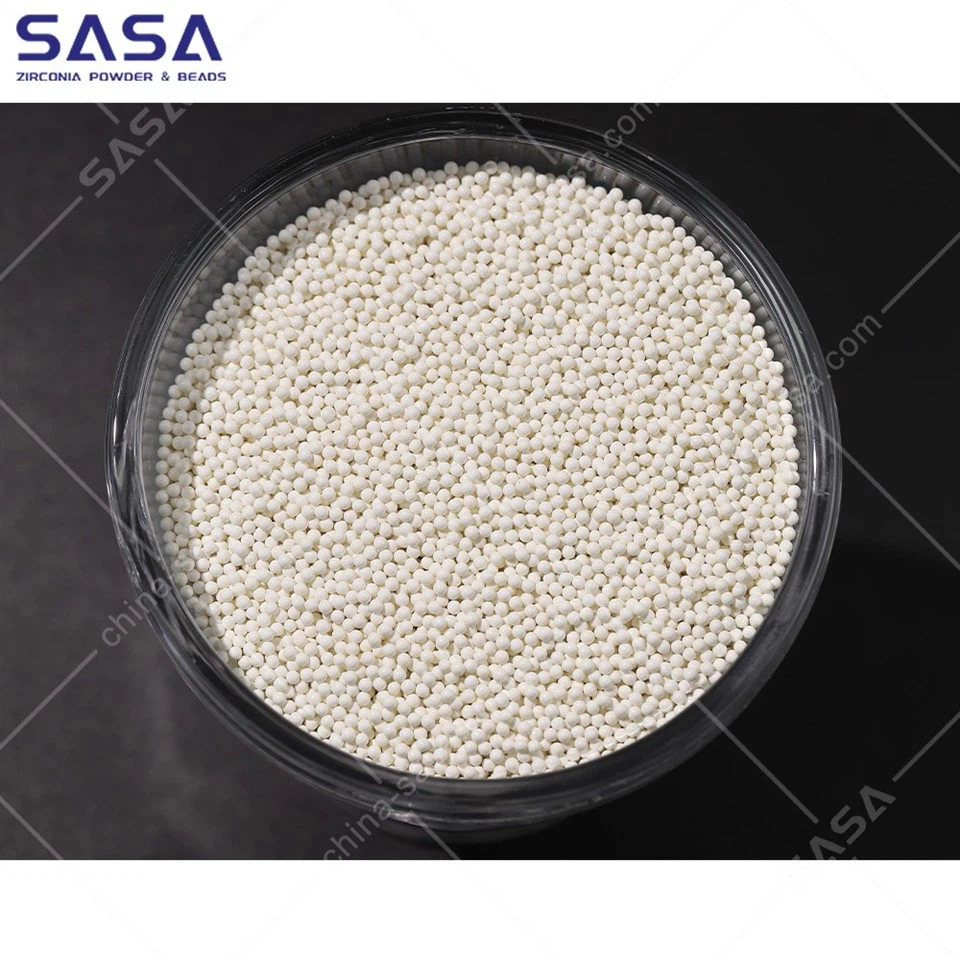
We offer a wide range of materials for our precise balls, including 80 Zirconia Beads, which are known for their high density, hardness, and chemical stability. These beads are ideal for grinding and dispersing applications in the paint, ink, and pharmaceutical industries. Another popular option is Zirconium Silicate Sandblasting Beads, which are used for surface treatment and finishing in the metalworking and aerospace industries.
Initial Shaping
Once the raw material is selected, the next step is to shape it into a rough spherical form. This is typically done through a process called cold heading or hot forging, depending on the material and the size of the ball.
Cold heading is a process where the raw material is cut into small pieces and then placed in a die. A punch is then used to apply pressure to the material, forcing it to take the shape of the die. This process is suitable for making small to medium-sized balls and is often used for mass production.
Hot forging, on the other hand, involves heating the raw material to a high temperature and then using a hammer or press to shape it into a spherical form. This process is more suitable for making large-sized balls and is often used for applications where high strength and precision are required.
Grinding and Lapping
After the initial shaping, the rough spherical balls are then subjected to a series of grinding and lapping operations to achieve the desired size, shape, and surface finish.
Grinding is a process where the balls are placed in a grinding machine and rotated against a grinding wheel. The grinding wheel removes a small amount of material from the surface of the balls, gradually reducing their size and improving their roundness. This process is typically done in multiple stages, with each stage using a finer grit grinding wheel to achieve a smoother surface finish.
Lapping is a similar process to grinding, but it uses a lapping plate instead of a grinding wheel. The lapping plate is coated with a fine abrasive powder, and the balls are placed on the plate and rotated in a circular motion. The abrasive powder removes a very small amount of material from the surface of the balls, further improving their roundness and surface finish.
Heat Treatment
In some cases, the balls may need to undergo a heat treatment process to improve their mechanical properties, such as hardness, strength, and toughness. Heat treatment involves heating the balls to a specific temperature and then cooling them at a controlled rate.
One common heat treatment process is quenching and tempering. Quenching involves heating the balls to a high temperature and then rapidly cooling them in a quenching medium, such as oil or water. This process hardens the balls by forming a martensitic structure. Tempering is then performed to relieve the internal stresses and improve the toughness of the balls. This involves heating the quenched balls to a lower temperature and then cooling them slowly.
Surface Coating
To further enhance the performance and durability of the precise balls, they may be coated with a thin layer of material. Surface coating can provide various benefits, such as corrosion resistance, wear resistance, and reduced friction.
There are several types of surface coatings available, including electroplating, physical vapor deposition (PVD), and chemical vapor deposition (CVD). Electroplating involves depositing a thin layer of metal, such as chrome or nickel, onto the surface of the balls using an electrolytic process. PVD and CVD are more advanced coating techniques that involve depositing a thin layer of ceramic or metal onto the surface of the balls using a vacuum deposition process.
Quality Control
Throughout the manufacturing process, strict quality control measures are implemented to ensure that the precise balls meet the required specifications and standards. Quality control involves a series of inspections and tests, including dimensional inspection, roundness measurement, surface finish analysis, and hardness testing.
Dimensional inspection is typically done using a coordinate measuring machine (CMM), which can measure the size and shape of the balls with high precision. Roundness measurement is done using a roundness tester, which can detect any deviations from the ideal spherical shape. Surface finish analysis is done using a surface profilometer, which can measure the roughness and smoothness of the surface of the balls. Hardness testing is done using a hardness tester, which can measure the hardness of the balls at different locations.
Conclusion
In conclusion, the process of making a precise ball is a complex and intricate one that involves multiple steps and strict quality control measures. From raw material selection to surface coating, each step plays a crucial role in determining the final quality and performance of the balls.
As a supplier of precise balls, we are committed to providing our customers with high-quality products that meet their specific requirements and standards. We use the latest manufacturing technologies and equipment, and our experienced team of engineers and technicians ensures that every ball is manufactured with the highest level of precision and quality.
If you are interested in purchasing precise balls for your application, please feel free to contact us for more information. We would be happy to discuss your requirements and provide you with a customized solution.
References
- ASM Handbook Volume 1: Properties and Selection: Irons, Steels, and High-Performance Alloys
- Tool and Manufacturing Engineers Handbook, Volume 4: Metal Cutting and Finishing
- Precision Ball Manufacturing: A Comprehensive Guide