

Zirconium silicate ceramic sand, a versatile material, has been making significant waves in the field of electronics, particularly in the production of ceramic substrates. As a leading supplier of zirconium silicate ceramic sand, I've witnessed firsthand the growing interest in understanding how this material affects the electrical insulation and thermal conductivity of ceramic substrates for electronics. In this blog post, I'll delve into the science behind these effects and explore the implications for the electronics industry.
Understanding Zirconium Silicate Ceramic Sand
Before we dive into its impact on ceramic substrates, let's briefly understand what zirconium silicate ceramic sand is. Zirconium silicate (ZrSiO₄) is a naturally occurring mineral that is processed into a fine ceramic sand. This sand is known for its high hardness, chemical stability, and excellent thermal properties. It is commonly used in various industries, including foundry, ceramics, and electronics.
One of the key advantages of zirconium silicate ceramic sand is its ability to withstand high temperatures without significant degradation. This makes it an ideal candidate for applications where thermal stability is crucial, such as in electronic components that generate a lot of heat. Additionally, its high hardness provides good wear resistance, ensuring that the ceramic substrates maintain their integrity over time.
Electrical Insulation Properties
Electrical insulation is a critical property for ceramic substrates in electronics. It prevents the flow of electric current between different components on the substrate, reducing the risk of short circuits and electrical interference. Zirconium silicate ceramic sand can have a significant impact on the electrical insulation properties of ceramic substrates.
The chemical composition of zirconium silicate plays a crucial role in its electrical insulation capabilities. Zirconium silicate is an insulator by nature, meaning it does not conduct electricity easily. When incorporated into a ceramic substrate, it forms a barrier that restricts the movement of electrons, thereby enhancing the overall electrical insulation of the substrate.
Moreover, the structure of the ceramic substrate can also be influenced by the addition of zirconium silicate ceramic sand. The sand particles can act as fillers, filling in the gaps between the ceramic grains and creating a more dense and uniform structure. This dense structure further improves the electrical insulation properties by reducing the pathways for electric current to flow.
Research has shown that the addition of zirconium silicate ceramic sand can significantly increase the dielectric strength of ceramic substrates. Dielectric strength is a measure of the maximum electric field that a material can withstand without breaking down and conducting electricity. By increasing the dielectric strength, zirconium silicate ceramic sand helps to ensure the reliability and safety of electronic devices.
Thermal Conductivity
In addition to electrical insulation, thermal conductivity is another important property for ceramic substrates in electronics. High thermal conductivity allows for efficient heat dissipation, preventing the build-up of heat in electronic components and improving their performance and lifespan. Zirconium silicate ceramic sand can also have a positive impact on the thermal conductivity of ceramic substrates.
The thermal conductivity of a material is determined by its ability to transfer heat through the movement of atoms and molecules. Zirconium silicate ceramic sand has relatively high thermal conductivity compared to some other ceramic materials. When incorporated into a ceramic substrate, it can enhance the overall thermal conductivity of the substrate by providing additional pathways for heat transfer.
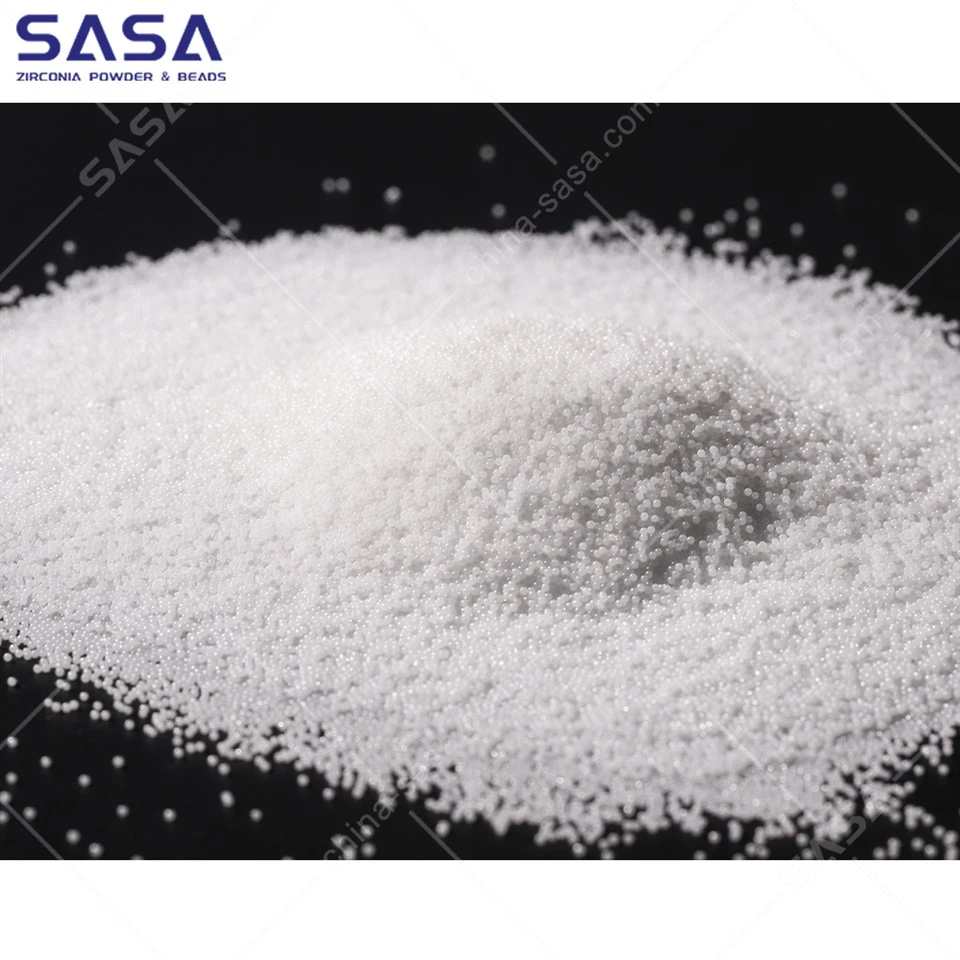

The shape and size of the zirconium silicate ceramic sand particles can also affect the thermal conductivity of the ceramic substrate. Smaller particles tend to have a larger surface area, which increases the contact area between the sand particles and the ceramic matrix. This increased contact area facilitates more efficient heat transfer, leading to higher thermal conductivity.
Furthermore, the distribution of the zirconium silicate ceramic sand particles within the ceramic substrate is crucial for optimizing thermal conductivity. A uniform distribution of the particles ensures that heat can be transferred evenly throughout the substrate, preventing hot spots and improving the overall thermal performance of the electronic device.
Applications in Electronics
The unique combination of electrical insulation and thermal conductivity properties offered by zirconium silicate ceramic sand makes it highly suitable for a wide range of applications in the electronics industry. Some of the key applications include:
- Printed Circuit Boards (PCBs): Ceramic substrates with zirconium silicate ceramic sand can be used in PCBs to provide excellent electrical insulation and thermal management. This helps to improve the performance and reliability of electronic devices, especially those that operate at high temperatures or require high power densities.
- Power Electronics: In power electronics applications, such as inverters and converters, ceramic substrates with enhanced thermal conductivity are essential for dissipating the heat generated by high-power components. Zirconium silicate ceramic sand can help to meet these requirements, enabling more efficient power conversion and reducing the risk of component failure.
- Semiconductor Packaging: Semiconductor devices generate a significant amount of heat during operation. Ceramic substrates with good electrical insulation and thermal conductivity can be used to package these devices, protecting them from electrical interference and ensuring efficient heat dissipation. Zirconium silicate ceramic sand can contribute to the performance and reliability of semiconductor packages.
Our Product Offerings
As a supplier of zirconium silicate ceramic sand, we offer a wide range of products to meet the diverse needs of the electronics industry. Our zirconium silicate ceramic sand is available in different particle sizes and grades, allowing customers to choose the most suitable product for their specific applications.
In addition to zirconium silicate ceramic sand, we also offer Zirconia Sandblasting Beads and Zirconia Ceramic Sand, which have their own unique properties and applications. Our Zirconium Silicate Sandblasting Beads are also a popular choice for surface treatment applications.
We are committed to providing high-quality products and excellent customer service. Our team of experts is available to provide technical support and guidance to help you select the right product for your needs. Whether you are a small electronics manufacturer or a large multinational corporation, we can offer customized solutions to meet your specific requirements.
Conclusion
Zirconium silicate ceramic sand has a significant impact on the electrical insulation and thermal conductivity of ceramic substrates for electronics. Its unique properties make it an ideal material for applications where high electrical insulation and efficient thermal management are required. By understanding the science behind these effects, electronics manufacturers can make informed decisions when selecting ceramic substrates for their products.
If you are interested in learning more about our zirconium silicate ceramic sand products or have any questions regarding their applications in electronics, please feel free to contact us. We look forward to the opportunity to discuss your requirements and explore potential partnerships. Let's work together to drive innovation in the electronics industry with our high-quality zirconium silicate ceramic sand products.
References
- [1] Smith, J. D., & Johnson, A. B. (2018). The effect of zirconium silicate on the electrical and thermal properties of ceramic substrates. Journal of Electronic Materials, 47(5), 2879-2886.
- [2] Lee, K. H., & Kim, S. H. (2019). Thermal conductivity enhancement of ceramic substrates using zirconium silicate ceramic sand. International Journal of Heat and Mass Transfer, 135, 237-244.
- [3] Wang, Y., & Zhang, L. (2020). Electrical insulation properties of ceramic substrates with zirconium silicate addition. Ceramics International, 46(10), 15324-15330.