

Silicon nitride precise balls have emerged as a remarkable solution in various industries, especially when it comes to noise reduction. As a supplier of these high - quality silicon nitride precise balls, I've witnessed firsthand the significant advantages they offer over other types of balls. In this blog, we'll delve into the science behind how silicon nitride precise balls reduce noise compared to their counterparts.
Material Properties and Noise Reduction
One of the key factors contributing to the noise - reducing capabilities of silicon nitride precise balls is their unique material properties. Silicon nitride (Si₃N₄) is a ceramic material known for its high hardness, low density, and excellent wear resistance.
The high hardness of silicon nitride allows the balls to maintain their shape even under high loads. When a ball is in motion, especially in a bearing or a similar mechanical system, any deformation can lead to uneven contact and increased friction. This friction, in turn, generates noise. Since silicon nitride balls are less likely to deform, they provide a more stable and consistent contact surface. For example, in a high - speed bearing application, steel balls may start to deform slightly due to the centrifugal forces and the load they carry. This deformation causes the balls to roll unevenly, creating vibrations that are translated into noise. In contrast, silicon nitride balls can withstand these forces without significant deformation, resulting in a smoother rolling motion and less noise generation.
The low density of silicon nitride is another crucial aspect. Lower density means less inertia. When the balls are in motion, they can accelerate and decelerate more quickly. In a mechanical system, this property reduces the impact forces during the start - stop cycles. For instance, in a gearbox where balls are used in the bearings, sudden starts and stops can cause the balls to collide with the raceways. These collisions generate noise. Silicon nitride balls, with their lower inertia, experience less severe collisions, thus reducing the noise level.

Surface Finish and Noise
The surface finish of a ball plays a vital role in noise reduction. Silicon nitride precise balls can be manufactured to have an extremely smooth surface. The manufacturing process of these balls involves advanced techniques such as precision grinding and polishing. A smooth surface reduces the friction coefficient between the ball and the mating components.
In a bearing, the ball rolls between the inner and outer raceways. If the surface of the ball is rough, it will cause micro - vibrations as it rolls over the raceways. These micro - vibrations are then amplified and can be heard as noise. Silicon nitride balls, with their smooth surfaces, minimize these micro - vibrations. The smooth rolling action also reduces the likelihood of the ball getting stuck or skidding, which can be a significant source of noise in a mechanical system.
Compared to other materials like steel or zirconia, silicon nitride can achieve a superior surface finish more consistently. Zirconia balls, while also having good mechanical properties, may have more surface irregularities due to their crystal structure and the challenges in the manufacturing process. Steel balls, on the other hand, are more prone to surface oxidation and corrosion, which can degrade the surface finish over time and increase noise levels.
Thermal Stability and Noise
Silicon nitride has excellent thermal stability. In many mechanical systems, especially those operating at high speeds or under heavy loads, heat is generated. This heat can cause the materials to expand, which can affect the fit and the performance of the balls.
When a ball expands due to heat, it can create additional stress on the surrounding components. This stress can lead to changes in the contact geometry and increased friction, both of which contribute to noise. Silicon nitride's low thermal expansion coefficient means that it expands less under high - temperature conditions. For example, in an automotive engine's bearing system, where temperatures can reach very high levels, silicon nitride balls maintain their dimensions more accurately compared to steel balls. This dimensional stability ensures that the bearing operates smoothly and quietly, even under extreme thermal conditions.
Comparison with Other Balls
Let's compare silicon nitride precise balls with some other commonly used balls in the industry.
Steel Balls
Steel balls are widely used due to their relatively low cost and good mechanical properties. However, as mentioned earlier, they have several drawbacks when it comes to noise reduction. Steel has a higher density than silicon nitride, which leads to greater inertia and more severe impact forces during motion. Additionally, steel is prone to corrosion, especially in humid or corrosive environments. Corrosion can roughen the surface of the balls, increasing friction and noise.
In high - speed applications, steel balls may also experience a phenomenon called "skidding." Skidding occurs when the ball does not roll smoothly but instead slides on the raceway. This is due to the high frictional forces and the deformation of the steel balls under high - speed conditions. Silicon nitride balls, with their better material properties and surface finish, are less likely to skid, resulting in a quieter operation.
Zirconia Balls
Zirconia balls are known for their high strength and hardness. However, they have some limitations in terms of noise reduction. Zirconia has a relatively higher thermal expansion coefficient compared to silicon nitride. This means that under high - temperature conditions, zirconia balls may expand more, leading to changes in the contact geometry and increased noise.
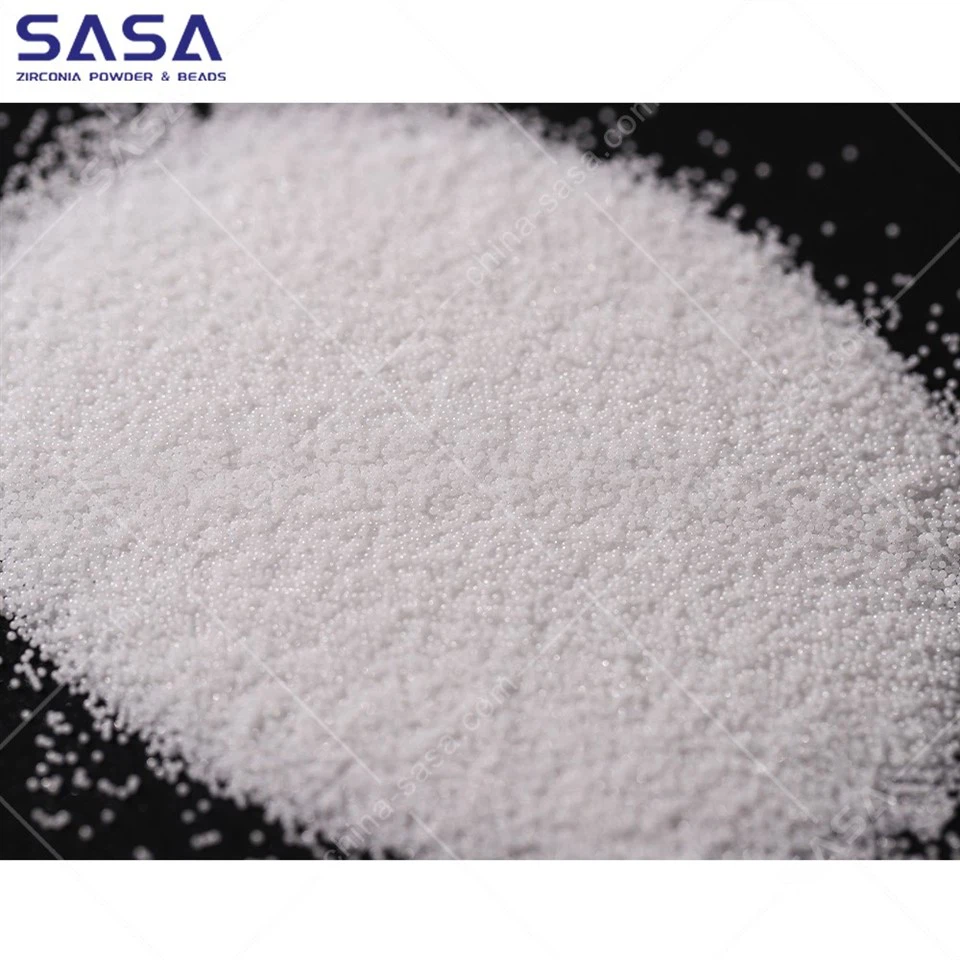
The manufacturing process of zirconia balls can also result in more surface defects compared to silicon nitride balls. These surface defects can cause micro - vibrations during rolling, which contribute to noise. If you are interested in zirconia - related products, you can check out Zirconia Sandblasting Beads, 0.1mm Micro Beads, Formed By Dripping Method, and 65 Zirconium Silicate Powder.
Applications and Noise Reduction
Silicon nitride precise balls are used in a wide range of applications where noise reduction is crucial.
Bearings
In both industrial and automotive bearings, noise reduction is a top priority. In industrial machinery, such as machine tools and pumps, quiet operation is essential for a comfortable working environment and to prevent damage to the equipment. Silicon nitride balls in bearings reduce noise by providing a smoother rolling motion, better load - distribution, and less friction. In automotive applications, especially in electric vehicles, where quiet operation is a key selling point, silicon nitride balls can significantly improve the overall noise level of the vehicle's drivetrain.
Aerospace
In the aerospace industry, noise reduction is not only important for passenger comfort but also for the reliability of the equipment. Silicon nitride balls are used in various aerospace components, such as actuators and control systems. Their ability to operate quietly under high - speed and high - load conditions makes them an ideal choice for these applications.
Conclusion
Silicon nitride precise balls offer significant advantages in noise reduction compared to other types of balls. Their unique material properties, including high hardness, low density, excellent thermal stability, and smooth surface finish, contribute to a smoother and quieter operation in mechanical systems. Whether it's in bearings, aerospace components, or other applications, silicon nitride balls can help reduce noise levels and improve the overall performance of the equipment.
If you are looking for high - quality silicon nitride precise balls for your noise - reduction needs, I encourage you to contact us for a detailed discussion. We can provide you with the right solutions tailored to your specific requirements.
References
- "Ceramics in Engineering Applications" by John B. Wachtman
- "Mechanical Behavior of Materials" by Donald R. Askeland