

Zirconia ceramic beads are widely used in various industries due to their excellent physical and chemical properties. One of the key properties that often comes under scrutiny is their electrical insulation. As a supplier of zirconia ceramic beads, I am frequently asked about the electrical insulation capabilities of these beads. In this blog post, I will delve into the topic to provide a comprehensive understanding of whether zirconia ceramic beads have good electrical insulation properties.
Understanding Zirconia Ceramic Beads
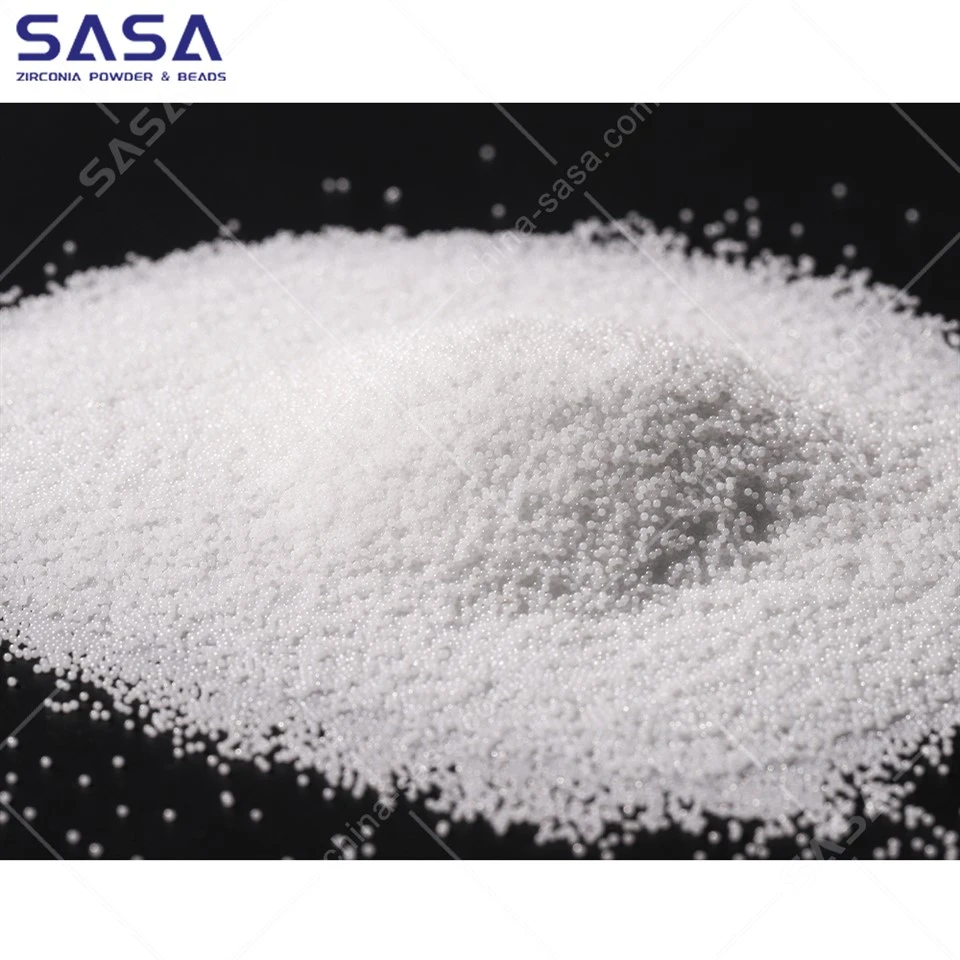
Zirconia, also known as zirconium dioxide (ZrO₂), is a ceramic material with unique characteristics. Zirconia ceramic beads are made from zirconia powder through a series of manufacturing processes such as sintering. These beads are known for their high hardness, wear resistance, chemical stability, and thermal resistance. They are commonly used in applications like grinding, polishing, and as fillers in composites.
Electrical Insulation Basics
Electrical insulation refers to the ability of a material to resist the flow of electric current. Insulating materials have high electrical resistivity, which means they impede the movement of electrons. Good electrical insulators are essential in many electrical and electronic applications to prevent short - circuits, protect components, and ensure the safe and efficient operation of electrical systems.
Factors Affecting the Electrical Insulation of Zirconia Ceramic Beads
Crystal Structure
Zirconia exists in different crystal structures: monoclinic, tetragonal, and cubic. The monoclinic phase is stable at room temperature, while the tetragonal and cubic phases can be stabilized through doping with other elements such as yttria. The crystal structure can significantly influence the electrical properties of zirconia. For example, the monoclinic phase has relatively lower electrical conductivity compared to the tetragonal and cubic phases under certain conditions. You can find more information about Monoclinic Zirconia Powder on our website.
Purity
The purity of zirconia ceramic beads is another crucial factor. Impurities in the zirconia can introduce charge carriers, which can increase the electrical conductivity of the material. High - purity zirconia ceramic beads generally have better electrical insulation properties as there are fewer free electrons or ions available to conduct electricity.
Temperature
Temperature has a significant impact on the electrical insulation of zirconia ceramic beads. At low temperatures, zirconia behaves as a good electrical insulator. However, as the temperature increases, the thermal energy can cause the activation of charge carriers, leading to a decrease in electrical resistivity. In some high - temperature applications, the electrical insulation performance of zirconia may degrade.
Measuring the Electrical Insulation of Zirconia Ceramic Beads
To determine the electrical insulation properties of zirconia ceramic beads, several methods can be employed. One common method is to measure the electrical resistivity of the beads. This can be done using a four - point probe method, where a known current is passed through the sample, and the voltage drop is measured to calculate the resistivity. Dielectric constant and dielectric loss tangent are also important parameters that can be measured to assess the electrical insulation performance of zirconia ceramic beads.
Applications Based on Electrical Insulation
Due to their good electrical insulation properties, zirconia ceramic beads have found applications in the electrical and electronic industries.
Electrical Insulators in High - Voltage Equipment
Zirconia ceramic beads can be used as insulating materials in high - voltage equipment such as transformers and circuit breakers. Their high electrical resistivity helps to prevent electrical breakdown and ensure the safe operation of these devices.
Insulating Fillers in Composites
Zirconia ceramic beads can be incorporated into polymer composites as insulating fillers. The addition of these beads can enhance the electrical insulation properties of the composite material while also improving its mechanical strength and wear resistance.

Comparison with Other Insulating Materials
When compared to other common insulating materials such as glass and mica, zirconia ceramic beads have some unique advantages.
High Hardness and Wear Resistance
Unlike glass and mica, zirconia ceramic beads have high hardness and wear resistance. This makes them suitable for applications where the insulating material may be subject to mechanical stress or abrasion.
Chemical Stability
Zirconia ceramic beads are chemically stable and resistant to corrosion. In harsh chemical environments, they can maintain their electrical insulation properties better than some other insulating materials.
Our Product Offerings
As a supplier of zirconia ceramic beads, we offer a wide range of products with different specifications to meet the diverse needs of our customers. Our zirconia ceramic beads are manufactured using high - quality raw materials and advanced production processes to ensure excellent electrical insulation properties. In addition to zirconia ceramic beads, we also supply related products such as Zirconia Ceramic Sand and 55 Zirconium Silicate Powder, which can be used in various applications.
Conclusion
In conclusion, zirconia ceramic beads generally have good electrical insulation properties, especially under normal temperature and low - impurity conditions. Their electrical insulation performance is influenced by factors such as crystal structure, purity, and temperature. These beads have found wide applications in the electrical and electronic industries due to their excellent insulation capabilities, along with other desirable properties like high hardness and chemical stability.
If you are interested in our zirconia ceramic beads or have any questions regarding their electrical insulation properties, please feel free to contact us for further discussion and potential procurement. We are committed to providing high - quality products and excellent customer service.
References
- "Zirconia: Structure, Properties, and Applications" by R. C. Pullar.
- "Electrical Properties of Ceramic Materials" by J. R. Varnerin.
- "Handbook of Advanced Ceramics" edited by S. Somiya.